Open source RGB lighting control that doesn't depend on manufacturer software


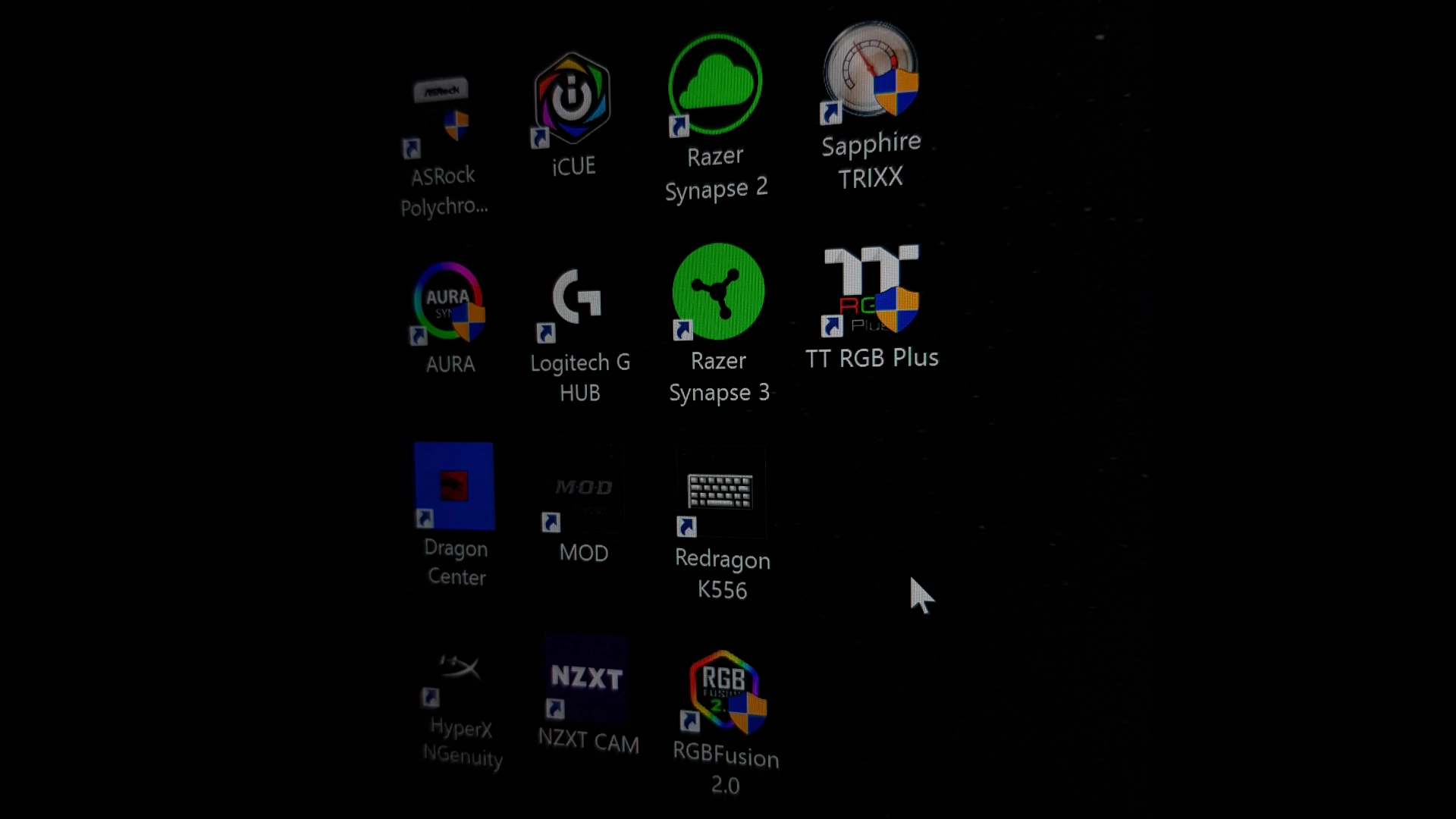
One of the biggest complaints about RGB is the software ecosystem surrounding it. Every manufacturer has their own app, their own brand, their own style. If you want to mix and match devices, you end up with a ton of conflicting, functionally identical apps competing for your background resources. On top of that, these apps are proprietary and Windows-only. Some even require online accounts. What if there was a way to control all of your RGB devices from a single app, on both Windows and Linux, without any nonsense? That is what OpenRGB sets out to achieve. One app to rule them all.


Version 1.0rc2, additional downloads and versions on Releases page

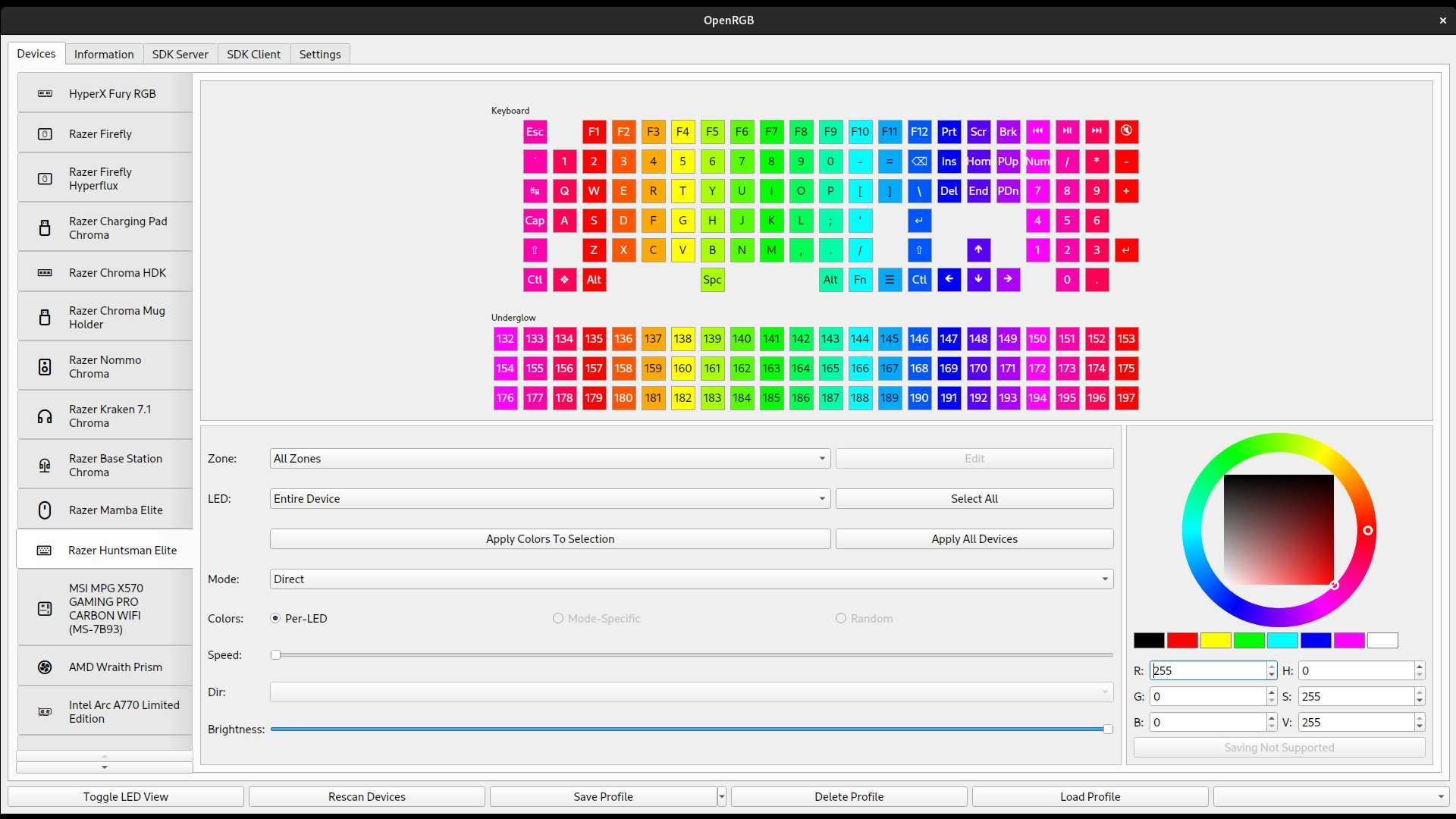
OpenRGB user interface

Control RGB without wasting system resources

Lightweight User Interface

OpenRGB keeps it simple with a lightweight user interface that doesn't waste background resources with excessive custom images and styles. It is light on both RAM and CPU usage, so your system can continue to shine without cutting into your gaming or productivity performance.

OpenRGB rules them all

Control RGB from a single app

Eliminate Bloatware

If you have RGB devices from many different manufacturers, you will likely have many different programs installed to control all of your devices. These programs do not sync with each other, and they all compete for your system resources. OpenRGB aims to replace every single piece of proprietary RGB software with one lightweight app.

OpenRGB is open source software

Contribute your RGB devices

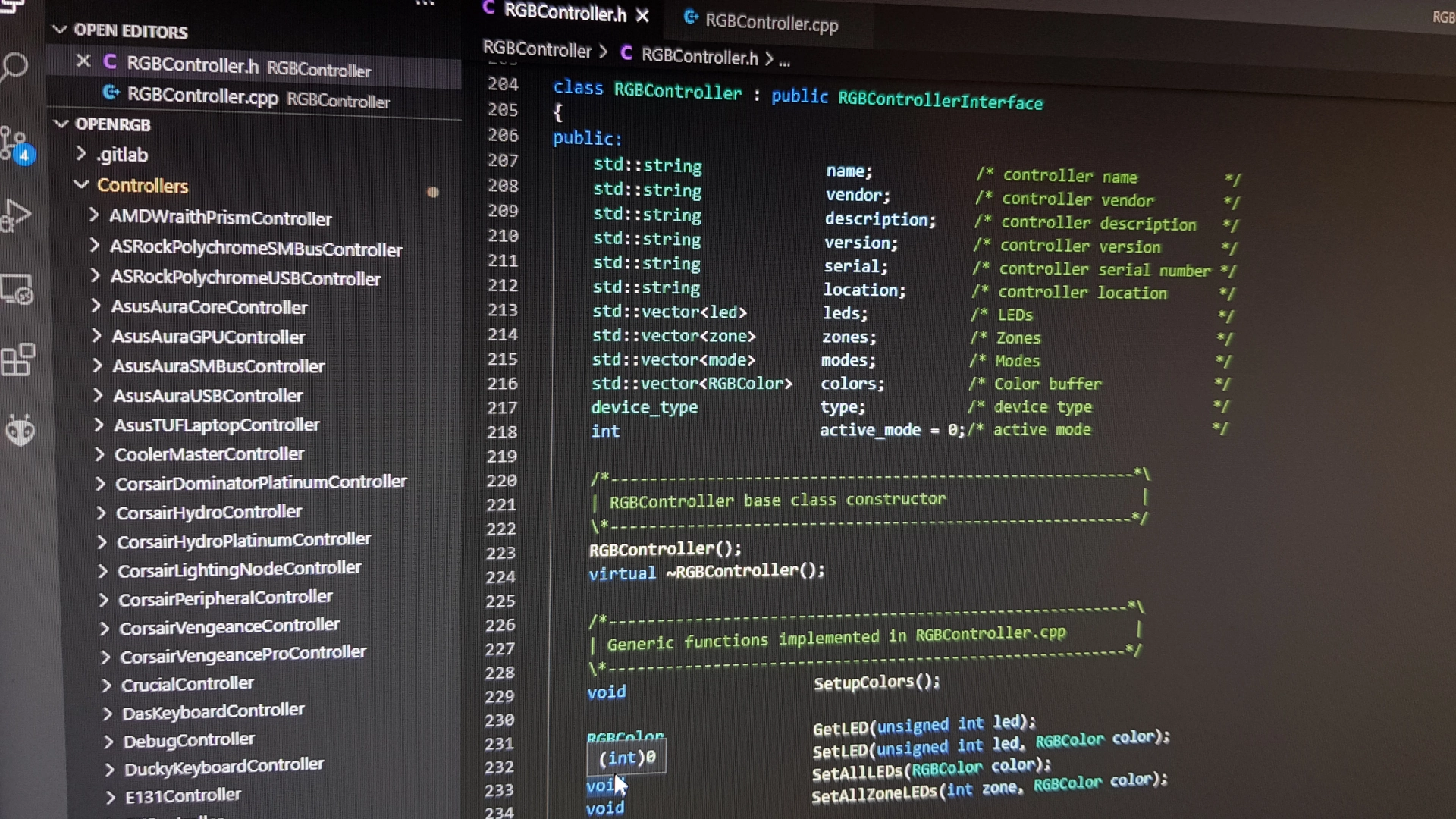
Open Source

OpenRGB is free and open source software under the GNU General Public License version 2. This means anyone is free to view and modify the code. If you know C++, you can add your own device with our flexible RGB hardware abstraction layer. Being open source means more devices are constantly being added!


Check out the source code on GitLab
OpenRGB is Cross-Platform

Control RGB on Windows, Linux, and MacOS

Cross-Platform

OpenRGB runs on Windows, Linux and MacOS. No longer is RGB control a Windows-exclusive feature! OpenRGB has been tested on X86, X86_64, ARM32, and ARM64 processors including ARM mini-PCs such as the Raspberry Pi.

Fliphtml5 !!install!! Downloader Full Jun 2026

For those who want a true without relying on black-box tools, manual extraction is the most reliable—though time-consuming.

Have you successfully used a FlipHTML5 downloader? Share your experience in the comments below. And if you found this guide helpful, consider sharing it with a fellow digital archivist.

Before looking into third-party tools, check if the publisher has enabled native downloads. This is the safest, highest-quality, and most ethical way to obtain the file. How to Check for Native Downloads: Open the FlipHTML5 link in your desktop or mobile browser.

Most cracked downloaders are wrappers for trojans, ransomware, or browser hijackers. fliphtml5 downloader full

if combine_pdf and image_paths: pdf_path = os.path.join(output_dir, pdf_name) images = [Image.open(img).convert("RGB") for img in image_paths] if images: images[0].save(pdf_path, save_all=True, append_images=images[1:]) print(f"[+] PDF saved as pdf_path")

If you are the creator or the publisher has enabled downloads:

: While free users on the official site are often restricted to the original PDF For those who want a true without relying

If you want, I can:

: If the publisher allows it, you can click the [Download] button directly on the publication's page to save the original PDF.

If you prefer not to run a script, you can use: And if you found this guide helpful, consider

Look at the toolbar menu (usually located at the bottom or top of the flipbook player).

There are three primary approaches, each suited to different technical comfort levels and usage needs.

return page_count, base_image_url

Authors disable the download button to protect their intellectual property. Bypassing these restrictions to download copyrighted material—such as paid e-books, premium magazines, or private business catalogs—constitutes copyright infringement and is illegal in many jurisdictions.